

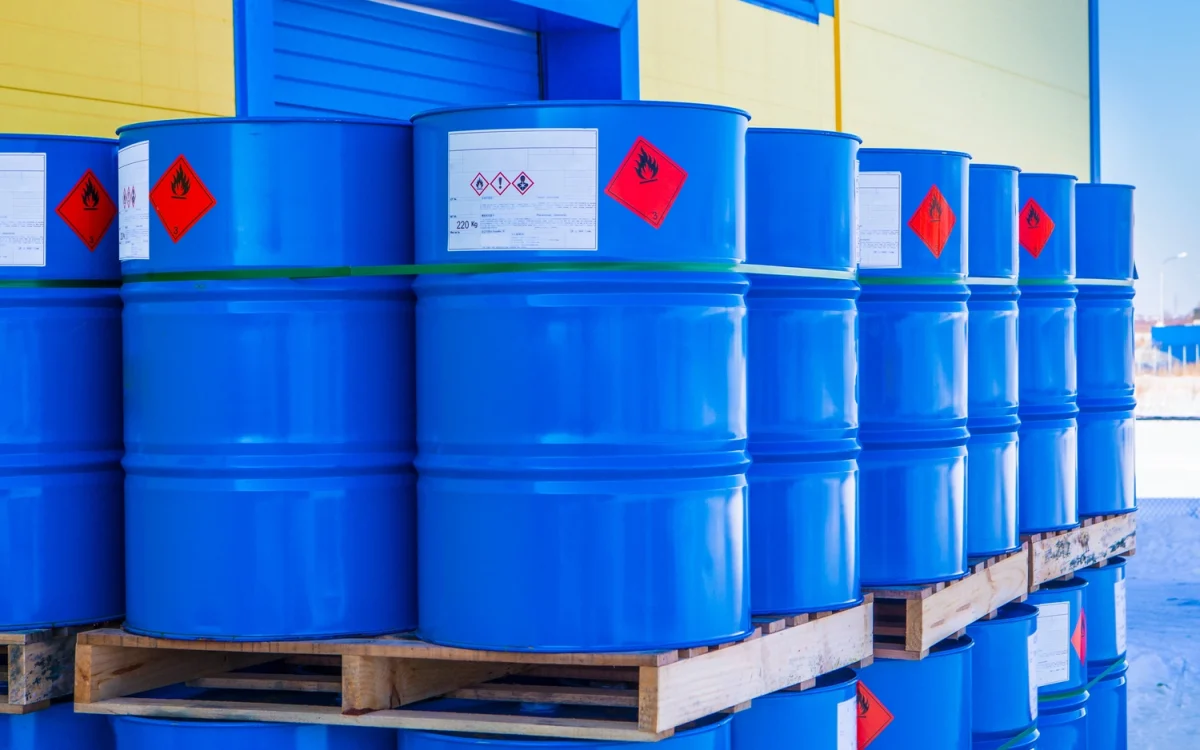
We often characterize the modern world by its shiny finished products – smartphones, high-performance vehicles, and life-saving medicines. However, the true mark of a developed civilization is not just its ability to create, but its discipline in managing what remains. Hazardous waste disposal is the invisible frontier where chemistry meets public safety, ensuring that the volatile elements of our industrial success do not become the environmental liabilities of our future.
The Silent Risk: Understanding Subsurface Migration
One of the primary reasons hazardous waste disposal Cleveland, Ohio is so heavily regulated is the concept of “migration.” When toxic substances are handled improperly, they don’t stay put. Through a process known as leaching, heavy metals and synthetic chemicals can travel through soil layers and enter the groundwater.
Modern hazardous waste disposal prevents this through Hydraulic Containment. This involves not just physical liners, but active monitoring systems that use sensors to detect changes in soil chemistry long before a leak could reach a local water table. By treating hazardous waste disposal as a dynamic engineering challenge rather than a static storage problem, we create a multi-generational safety net.
The Taxonomy of Toxins: Beyond Simple Labels
To the untrained eye, industrial byproduct is just “trash.” To a hazardous waste disposal specialist, it is a complex puzzle of reactivity. Effective management requires a deep dive into the specific chemical behavior of the waste:
Acutely Hazardous Waste: These are substances that are so dangerous – even in small quantities – that they require immediate, specialized hazardous waste disposal Dallas, Texas protocols. This includes certain pesticides and cyanide-bearing compounds.
Characteristic Waste: This covers materials that aren’t specifically listed by name but exhibit dangerous traits like a low flashpoint or high acidity.
Mixed Waste: One of the most difficult challenges in hazardous waste disposal, this involves materials that are both chemically hazardous and radioactive, requiring a dual-layered approach to containment and neutralization.
Thermal Transformation: The Power of Plasma and Heat
Traditional “destruction” has evolved. Today, hazardous waste disposal often utilizes Thermal Desorption. Unlike simple burning, this process uses controlled heat to separate hazardous contaminants from soil or sludge without actually igniting the material. The contaminants are then captured in a vapor phase and treated separately.
Furthermore, hazardous waste disposal Houston, Texas facilities are increasingly using Waste-to-Energy (WtE) technologies. By capturing the heat generated during the destruction of flammable hazardous materials, these facilities can generate steam or electricity, partially offsetting the carbon footprint of the disposal process itself.
The Accountability Trail: Documentation as a Shield
In the legal landscape of environmental protection, if it isn’t documented, it didn’t happen. The “Manifest” is the most important document in the world of hazardous waste disposal Chicago, Illinois. This document travels with the waste from the moment it leaves your facility until it reaches its final destination.
The Generator’s Copy: Proof that you handed the material to a licensed transporter.
The Transporter’s Copy: Verification that the materials were moved according to safety regulations.
The TSDF’s Copy: The final confirmation that the hazardous waste disposal was completed at a certified facility.
Maintaining these records is your primary defense against regulatory audits and long-term liability claims. It proves that your organization acted with “due diligence” in its hazardous waste disposal obligations.
A Sustainable Outlook
As we look toward the future, the integration of AI and real-time chemical sensors is making hazardous waste disposal Boston, Massachusetts more precise than ever. We are moving toward a world where every gallon of byproduct is digitally tagged and chemically neutralized with surgical precision.
By investing in professional, high-standard hazardous waste disposal, you aren’t just checking a box for a regulator – you are ensuring that the water, soil, and air of your community remain untainted by the ghosts of industrial production.